Framework For Risk Assessment Management Use
Sources

Sources

0/5 (0 votes)
Get QR Code
Hello friend, Perfect morning to start reading! Let’s get started :)

Managing risk assessments can be complex, and I’ve discovered that having a clear framework can help organizations navigate this process. It’s interesting to see how a well-defined approach can guide teams in identifying and addressing potential risks. I’ve learned that investing time in creating a comprehensive risk assessment management framework can save organizations from future headaches. I’ll share real examples and data that illustrate the importance of having a structured approach to risk assessment management.

What Is Framework For Risk Assessment Management Use?

A framework for risk assessment management is a guide that helps organizations identify, evaluate, and manage risks. Think of it like a roadmap that shows you how to navigate potential dangers in your work or projects. It helps you spot what could go wrong and figure out how to handle those situations before they become big problems.

This framework involves a few key steps, like identifying risks, analyzing their impact, and deciding on ways to reduce or control them. By following this process, you can make better decisions and keep your projects running smoothly. It’s all about being prepared and staying on top of things!

Why Framework For Risk Assessment Management Use Is Important

Using a solid framework for risk assessment management helps everyone understand what risks are out there. It makes it easier to spot problems before they get big. This way, we can take steps to keep things running smoothly.

Having a clear plan also means we can make better decisions. When we know the risks, we can figure out what to do next. This helps us protect our work and our people, making everything safer and more reliable.

Get the Full " Framework For Risk Assessment Management Use " Data, Resources, and Files Delivered to You
I’m researching and putting together everything you need on ” Framework For Risk Assessment Management Use ” Including insights, tools, case studies, and resources. Enter your details below, and I’ll send the complete document directly to your email as soon as you complete the $20 payment.

Step-by-Step Framework for Risk Assessment Management

Steps for Effective Risk Assessment

Step 1

Identify Risks

Look for things that can go wrong in your project. Think about what could hurt your goals.

  • Talk to your team.
  • Consider past experiences.
Step 2

Analyze Risks

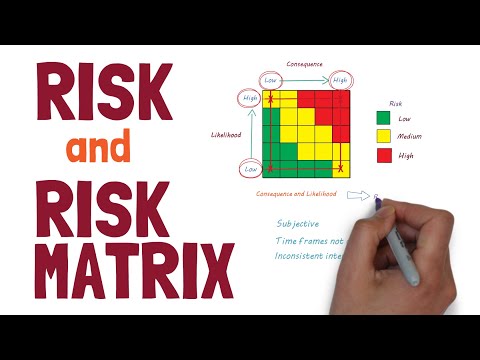
Decide how serious each risk is. Consider how likely it is to happen and the impact it could have.

  • Use a simple chart.
  • Rank risks from low to high.
Step 3

Plan Responses

Create plans to handle the risks. Decide if you will avoid, reduce, or accept them.

  • Involve your team in brainstorming.
  • Keep the plans simple and clear.

Pros and Cons of a Risk Assessment Framework

✅ Pros

  • Identifies potential risks

    A risk assessment framework helps spot what might go wrong before it happens.

  • Improves decision-making

    With clear risks outlined, it's easier to make informed choices.

  • Enhances communication

    Everyone understands the risks, making discussions clearer.

❌ Cons

  • Can be time-consuming

    Setting up the framework takes time and effort.

  • Requires ongoing updates

    Risks change, so the framework needs regular reviews.

  • Might create overthinking

    Focusing too much on risks can slow down progress.

Up to 28% Off
Days
Hours
Minutes

Common Mistakes and Myths

When it comes to risk assessment management, many people think it’s just about filling out forms or ticking boxes. This is a big mistake! It’s really about understanding your risks and making smart choices to keep things safe and sound.

Another common myth is that only experts can handle risk assessments. Not true! Anyone can learn the basics and contribute. It’s all about being aware and taking the right steps to protect what matters. Don’t let the fear of complexity hold you back!

Join Our Newsletter

Stay Ahead: Get the latest insights and updates delivered to your inbox.

Post Rating + Schema Functionality

Post Rating + Schema Functionality

Original price was: $15.00.Current price is: $11.00.
Out of stock
Vibe Relevant Products Shortcode

Vibe Relevant Products Shortcode

Original price was: $5.00.Current price is: $0.00.
Add
Anti-Spam & Bot Defender

Anti-Spam & Bot Defender

Original price was: $5.00.Current price is: $0.00.
Add

Comparison of Approaches for Risk Assessment Management

Topic When to Use Pros Cons Complexity Cost
Qualitative Assessment Use when you need to understand risks based on opinions and experiences. Easy to implement, Quick insights Subjective results, Hard to quantify low low
Quantitative Assessment Use when you need precise data and metrics on risks. Data-driven decisions, Clear risk levels Requires data collection, Can be time-consuming medium medium
Risk Matrix Approach Use when you want a visual representation of risks. Easy to understand, Good for prioritization Can oversimplify risks, May miss nuances medium low
SWOT Analysis Use when assessing internal strengths and weaknesses along with external opportunities and threats. Comprehensive view, Encourages team discussion Can be too broad, Risk of bias medium low

Related Topics on Reddit and Youtube

Framework For Risk Assessment Management Use

You’re not alone in exploring

I run a community of forward-thinkers who share ideas, tools, and breakthroughs. Want in?

Framework For Risk Assessment Management Use

🔹 Understanding Risk Assessment
Risk assessment helps identify potential problems. It’s about knowing what could go wrong.
🔹 Steps in Risk Assessment
1. Identify risks. 2. Analyze them. 3. Evaluate how serious they are.
🔹 Using the Framework
A good framework guides you through the process. It helps keep things organized.
🔹 Benefits of Risk Assessment
It can save time and money. It helps make better decisions.
🔹 Common Mistakes
Don’t ignore small risks. They can become big problems later.
🔹 Involving the Team
Get everyone’s input. Different views help find all the risks.
🔹 Reviewing Regularly
Check your assessment often. Things change, and so do risks.
Still stuck on an issue? Need help? Hire me!

Getting stuck is frustrating—I’ve been there myself. The good news? I figured out the solutions and turned them into expertise. Now, I help others move forward without the struggle. If you’re stuck right now, I’m here to fix it—hire me today.

If you belong to any of the niches, industries, or businesses mentioned above — or even beyond them — I provide complete all-in-one services designed to fit your unique needs. My custom solutions span across AI, automation, investment, product development, PR, branding, design, marketing, web, software, management, consulting, and much more. Whatever service you’re looking for, I’ve got you covered. Just contact me today — I’m only one click away!

Beginner Tips

When starting with risk assessment management, it’s important to understand your goals clearly. Think about what you want to protect and why it matters. This will help you focus your efforts and make better decisions.

Next, involve your team in the process. Everyone has a unique perspective, and their input can highlight risks you might overlook. Make discussions open and friendly to encourage sharing ideas. Remember, a good risk assessment is a team effort!

Advanced Tips

When dealing with risk assessment management, it’s important to stay organized and keep communication open. Make sure everyone involved knows their roles and responsibilities. Regular meetings can help keep everyone on the same page and address concerns quickly.

Also, don’t forget to review your assessments regularly. Risks can change over time, so keeping your strategies updated is key. Think of it as checking your car’s tires before a road trip. A little maintenance goes a long way in avoiding bigger issues later on!

Frequently Asked Question

A framework for risk assessment management is a structured approach to identifying, analyzing, and managing risks. It provides guidelines and processes to help organizations understand potential risks and make informed decisions.

Risk assessment management is important because it helps organizations identify potential threats and vulnerabilities. By understanding these risks, organizations can take steps to minimize negative impacts and ensure business continuity.

To implement a risk assessment framework, start by defining the scope and objectives of your assessment. Next, identify potential risks, analyze their impact and likelihood, and prioritize them. Finally, develop and implement strategies to manage the identified risks.

Key components of a risk assessment framework include risk identification, risk analysis, risk evaluation, risk treatment, and ongoing monitoring. Each component plays a role in ensuring that risks are effectively managed over time.

The risk assessment process should involve a cross-functional team, including stakeholders from different departments. This ensures that various perspectives are considered and that all potential risks are identified.

Risk assessments should be conducted regularly and whenever there are significant changes to the organization or its environment. This helps ensure that new risks are identified and managed promptly.

Various tools can assist with risk assessment management, including risk assessment software, spreadsheets, and checklists. These tools can help streamline the process and provide a clear record of identified risks and mitigation strategies.

Qualitative risk assessment focuses on understanding the nature and impact of risks using descriptive terms, while quantitative risk assessment uses numerical data and statistical methods to measure risks. Both approaches can be valuable, depending on the organization's needs.

Get Yourself Featured in This Article

Want your name, brand, or service listed right here? We offer sponsored mentions and do-follow links starting from $49 up to $500 depending on placement.


About Author

Add at least 2 tools to compare.

My site is professional. Ad is just for 'growth.' (Which means coffee.) Read Disclaimer

Please Note: This ad may be automatically generated. If it relates to gambling, betting, or any other unsuitable content, please be advised: I do not support these activities.

Click at your own risk.
Table of Contents

From marketing to automation, technical development to management, creative design to operations, consulting to growth strategy — we deliver it all under one roof. Whether you’re launching something new, fixing what’s broken, or scaling to the next level, our team makes it simple, fast, and effective. Trusted by clients worldwide for results that last.


Book a Call with Me to Discuss Your Project in Detail

Get expert advice and customized solutions for your project—no pressure, just results.

Prefer email? [email protected]

I believe in collaborating with smart, diverse, and creative people—and giving them the freedom to shine. Let’s connect.

×

Scan this QR

Scan to read on mobile

Link Copied to Clipboard!
×

Scan this QR

Scan to read on mobile

Link Copied to Clipboard!